Embarking on a journey to lose fat can feel overwhelming with countless diets and exercise regimens circulating. However, successful and sustainable fat loss isn't about quick fixes; it's about adopting healthy habits that you can maintain long-term. This guide will cut through the noise, offering practical, evidence-based fat loss tips to help you achieve your goals and build a healthier, stronger you.
Understanding the Foundation: The Calorie Deficit
At its core, fat loss boils down to one fundamental principle: consuming fewer calories than your body burns. This creates a calorie deficit, prompting your body to tap into its fat stores for energy. While simple in theory, implementing this effectively requires a strategic approach to both diet and activity.
Nutrition: Your Most Powerful Tool for Fat Loss
What you eat plays the most significant role in your fat loss journey. Focusing on nutrient-dense foods will not only help create a calorie deficit but also keep you feeling full and energized.
Prioritize Protein Intake
Boost Satiety: Protein is incredibly filling, helping to reduce hunger and cravings throughout the day.
Preserve Muscle Mass: When you're in a calorie deficit, adequate protein intake helps protect your muscle mass, which is crucial for maintaining a healthy metabolism.
Increase Thermic Effect: Your body burns more calories digesting protein compared to fats or carbohydrates.
Aim for a protein source with every meal, such as lean meats, poultry, fish, eggs, dairy, legumes, and tofu.
Embrace Whole, Unprocessed Foods
Focus your diet around whole foods like fruits, vegetables, lean proteins, and whole grains. These foods are generally lower in calories, higher in fiber, and packed with essential nutrients.
Fiber-Rich: Foods high in fiber (like vegetables, fruits, and whole grains) contribute to fullness and aid digestion.
Nutrient Density: They provide the vitamins and minerals your body needs to function optimally, even when consuming fewer calories.
Avoid Empty Calories: Minimize processed foods, sugary drinks, and excessive unhealthy fats, which often provide many calories with little nutritional value.
Stay Adequately Hydrated
Drinking enough water is a simple yet often overlooked fat loss tip. Water can help you feel full, boost metabolism slightly, and is essential for all bodily functions. Sometimes, thirst can be mistaken for hunger, leading to unnecessary snacking.
Practice Mindful Eating
Pay attention to your hunger and fullness cues. Eat slowly, savor your food, and avoid distractions while eating. This can help prevent overeating and improve your digestion.
Exercise: Moving Towards Your Goals
While nutrition is paramount, incorporating regular physical activity will significantly enhance your fat loss efforts and improve overall health.
Incorporate Strength Training
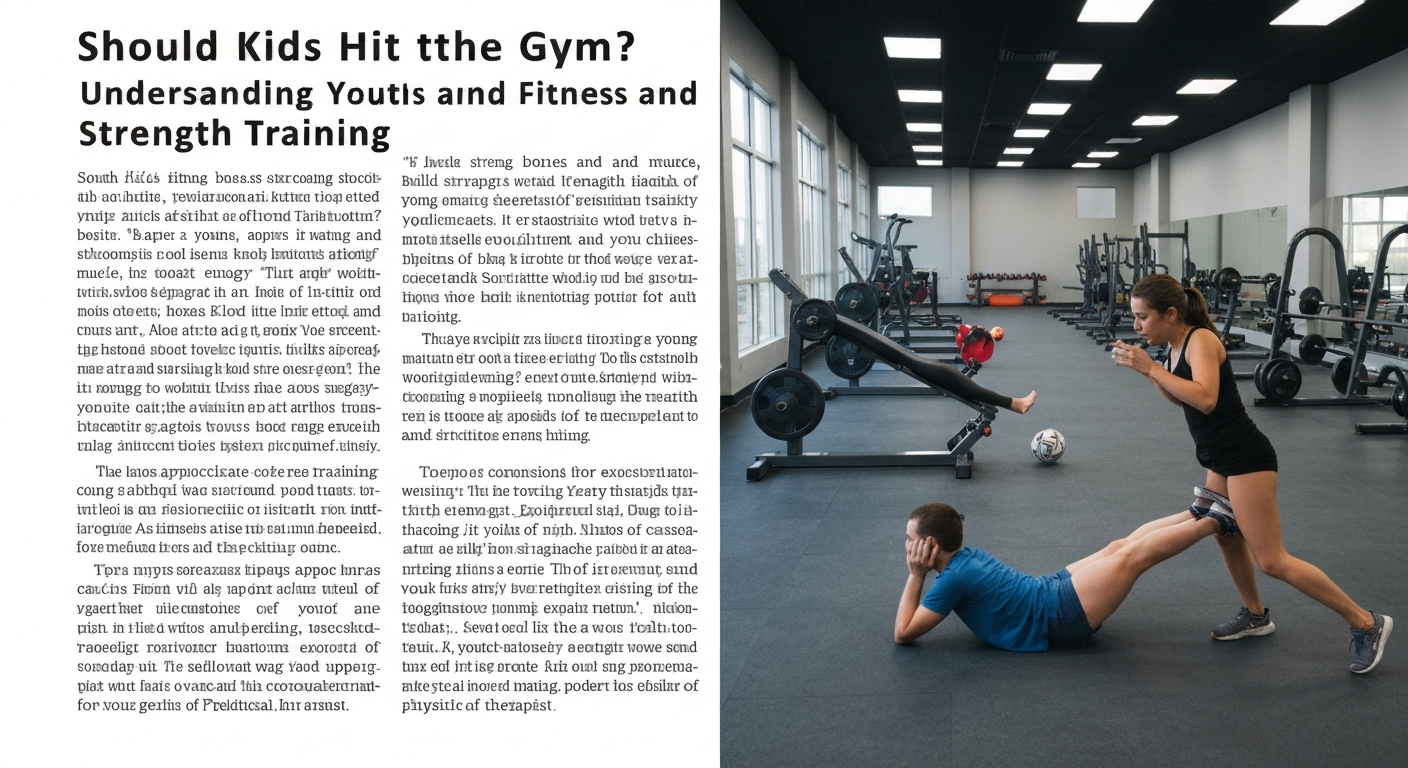
Building and maintaining muscle mass is vital for fat loss. Muscle tissue burns more calories at rest than fat tissue, meaning a more muscular body has a higher resting metabolism. Aim for 2-3 strength training sessions per week, targeting all major muscle groups.
Don't Neglect Cardiovascular Exercise
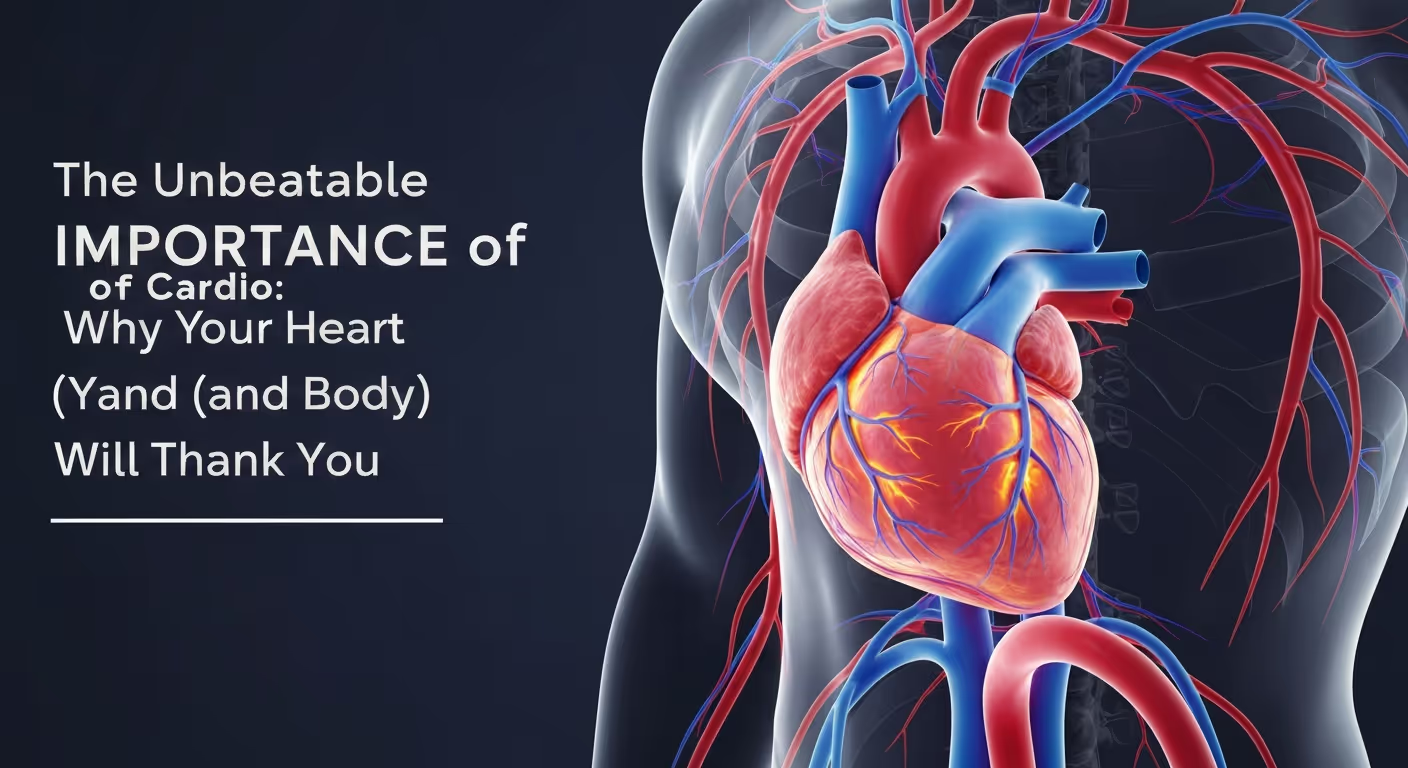
Cardio, such as brisk walking, jogging, cycling, or swimming, burns calories directly and improves cardiovascular health. Find activities you enjoy to make it a sustainable part of your routine. High-Intensity Interval Training (HIIT) can also be an effective way to burn calories in a shorter amount of time.
Increase Non-Exercise Activity Thermogenesis (NEAT)
NEAT refers to the energy expended for everything we do that is not sleeping, eating, or sports-like exercise. Simple changes like taking the stairs, parking further away, walking during phone calls, or standing more often can add up to significant calorie expenditure throughout the day.
Lifestyle Factors for Sustainable Fat Loss
Beyond diet and exercise, certain lifestyle habits can profoundly impact your ability to lose fat and keep it off.
Prioritize Quality Sleep
Lack of sleep can disrupt hormones that regulate hunger (ghrelin) and fullness (leptin), leading to increased appetite and cravings for unhealthy foods. Aim for 7-9 hours of quality sleep per night.
Manage Stress Levels
Chronic stress can elevate cortisol levels, a hormone linked to increased appetite and fat storage, particularly around the abdominal area. Find healthy ways to manage stress, such as meditation, yoga, hobbies, or spending time in nature.
Consistency and Patience are Key
Fat loss is not a linear process. There will be good days and challenging days. The key is to remain consistent with your efforts over time and understand that sustainable results take patience. Celebrate small victories and learn from setbacks.
Cultivate a Winning Mindset
Your mental approach to fat loss is just as important as your physical actions.
Focus on Health, Not Just Weight: Shift your focus from solely the number on the scale to overall health improvements, energy levels, and how your clothes fit.
Set Realistic Goals: Aim for a healthy and sustainable rate of fat loss (typically 1-2 pounds per week). Unrealistic goals can lead to frustration and burnout.
Seek Support: Whether from friends, family, a coach, or a support group, having a network can provide encouragement and accountability.
Conclusion: Your Journey to a Healthier You
Fat loss is a holistic endeavor that encompasses smart nutrition, consistent exercise, and a healthy lifestyle. By focusing on a sustainable calorie deficit, prioritizing protein and whole foods, incorporating both strength and cardio, getting enough sleep, managing stress, and maintaining a positive mindset, you can achieve lasting results. Remember, this is a journey towards a healthier, more vibrant you – embrace the process, stay consistent, and celebrate every step of your progress.