When you hear the phrase "kids and the gym," what image comes to mind? Is it a child struggling with heavy weights, or perhaps engaging in structured physical activity? The idea of children participating in gym workouts often sparks a debate, with concerns about safety, growth, and appropriateness. However, with the right approach, physical activity and even specific strength training can offer immense benefits for young people. This post aims to demystify the topic, exploring whether and how kids can safely and effectively engage in gym-like activities.
Defining "Gym" for Kids
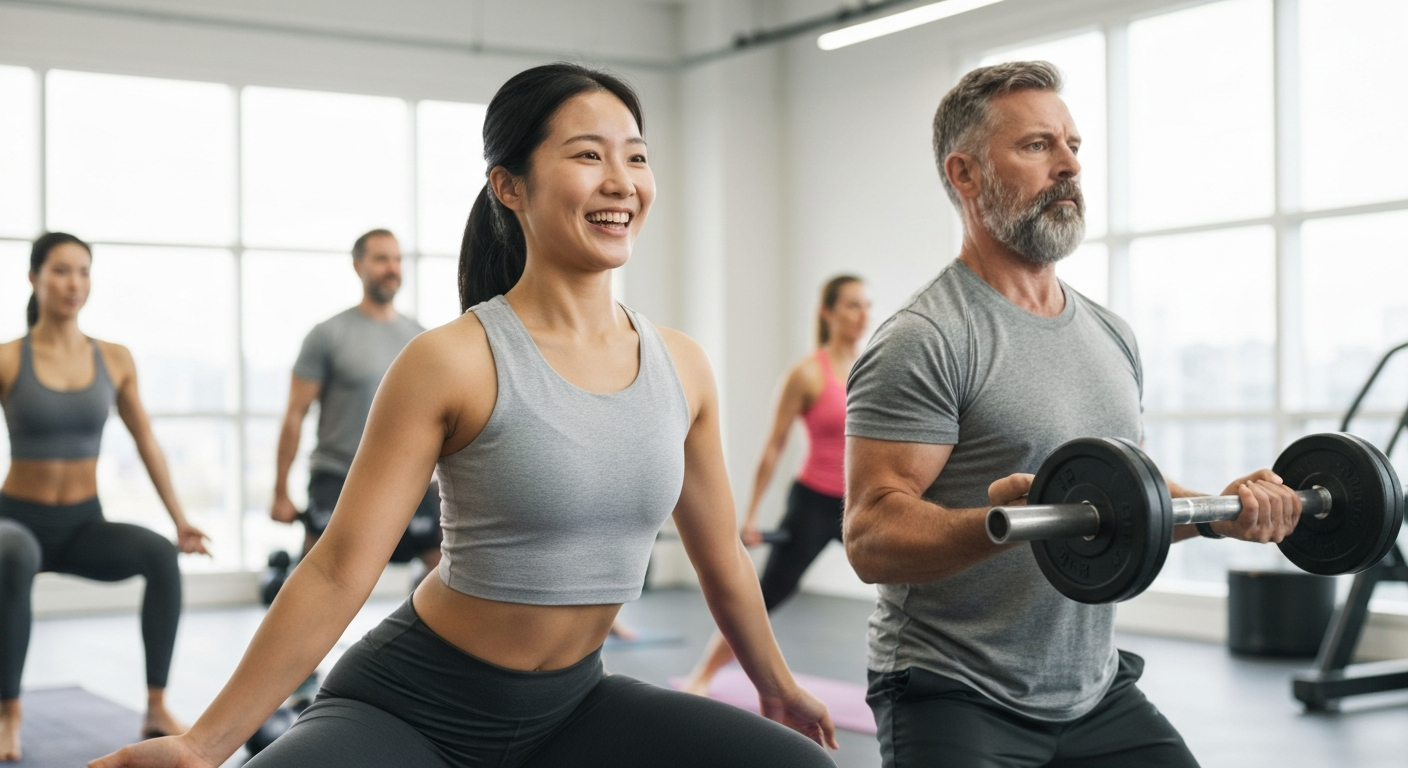
Firstly, it's crucial to understand what "gym" entails when we're talking about children. For adults, it often means barbells, dumbbells, and cardio machines. For kids, the definition is much broader and more nuanced. It's less about lifting maximum weight and more about developing overall physical literacy, strength, and coordination. This can include:
Bodyweight exercises (push-ups, squats, lunges)
Resistance band training
Light free weights or medicine balls
Cardiovascular activities (running, jumping, sports)
Structured play and movement programs
The goal is not to create pint-sized bodybuilders but to foster a healthy, active lifestyle and build a strong foundation for future physical well-being.
The Numerous Benefits of Youth Fitness and Strength Training
Engaging in appropriate physical activity, including children strength training, offers a wealth of advantages for growing bodies and minds:
Physical Health Benefits:
Stronger Bones and Muscles: Resistance exercises help build bone density and muscle mass, reducing the risk of fractures and improving overall strength.
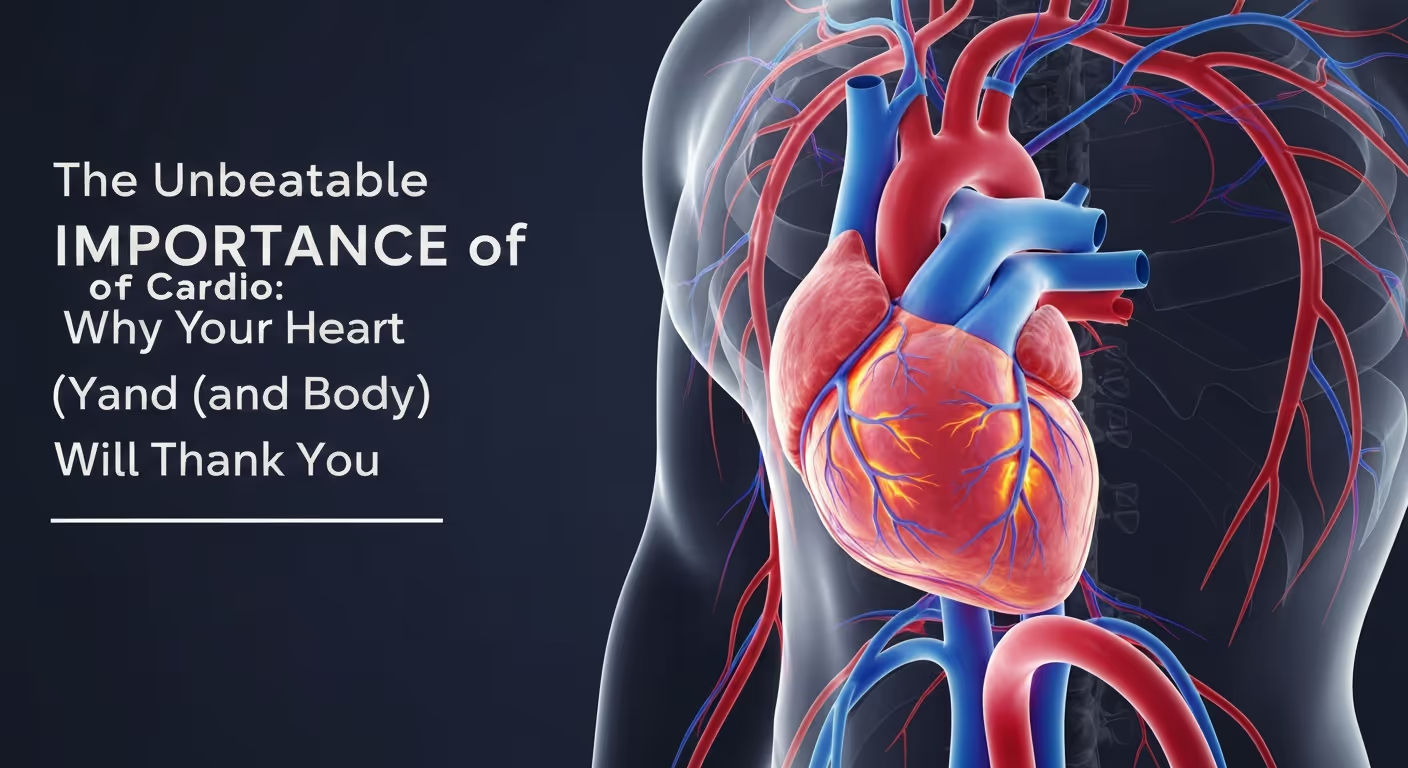
Improved Cardiovascular Health: Regular exercise strengthens the heart and lungs, reducing the risk of obesity, type 2 diabetes, and heart disease.
Enhanced Coordination and Balance: Learning various movements improves motor skills, agility, and spatial awareness.
Weight Management: Consistent activity helps maintain a healthy weight and reduces the risk of childhood obesity.
Injury Prevention: Stronger muscles and better balance can help protect children from sports-related injuries.
Mental and Emotional Benefits:
Increased Self-Esteem: Achieving fitness goals can boost confidence and body image.
Better Focus and Academic Performance: Physical activity is linked to improved concentration and cognitive function.
Stress Reduction: Exercise is a natural mood booster and can help manage anxiety and stress.
Discipline and Goal Setting: Structured workouts teach kids about commitment, perseverance, and working towards goals.
Addressing Common Misconceptions and Concerns
The most common concern parents have is whether kids gym activities, especially strength training, can stunt growth or cause injury. Let's tackle these:
Stunting Growth: There is no scientific evidence to support the claim that properly supervised, age-appropriate strength training stunts growth. In fact, strengthening bones and muscles can be beneficial for growth. The concern often stems from misinformation about damage to growth plates, which is extremely rare with correct form and light weights.
Injury Risk: The risk of injury in children's strength training is often lower than in many competitive sports, provided it's done correctly. Most injuries occur due to improper technique, excessive weight, or lack of supervision, not the activity itself.
Guidelines for Safe and Effective Exercise for Kids
If you're considering youth fitness activities or safe strength training for kids, keep these guidelines in mind:
Professional Supervision is Key: Children should always be supervised by a qualified adult, such as a certified youth fitness specialist, physical education teacher, or personal trainer experienced with children.
Focus on Proper Form, Not Weight: Emphasize learning correct movement patterns and technique before adding any resistance. Start with bodyweight exercises.
Age-Appropriate Activities:
- Ages 6-9: Focus on fundamental movements, bodyweight exercises, and sports.
- Ages 10-13: Introduce light resistance with weights, resistance bands, or medicine balls. Emphasize multi-joint exercises.
- Ages 14-17: Gradually increase resistance and complexity, mirroring adult programs but still prioritizing form and avoiding maximal lifts.
Ages 6-9: Focus on fundamental movements, bodyweight exercises, and sports.
Ages 10-13: Introduce light resistance with weights, resistance bands, or medicine balls. Emphasize multi-joint exercises.
Ages 14-17: Gradually increase resistance and complexity, mirroring adult programs but still prioritizing form and avoiding maximal lifts.
Make it Fun and Varied: Keep children engaged by incorporating games, different activities, and making sessions enjoyable. This promotes a lifelong love for exercise for kids.
Listen to Their Bodies: Encourage children to communicate any pain or discomfort. Rest and recovery are just as important as the workout itself.
Warm-up and Cool-down: Always include dynamic warm-ups before and static stretches after the workout.
The Role of Parents and Professionals
Parents play a vital role in encouraging healthy habits and ensuring safety. If you're considering a structured program, seek out professionals who specialize in child development and exercise. They can design programs that are both effective and safe, aligning with your child's age, developmental stage, and individual needs. Remember, the goal is not to push children beyond their limits but to guide them towards sustainable fitness practices.
Conclusion
So, should kids do gym? The answer is a resounding yes, when approached correctly. Structured physical activity and age-appropriate strength training offer a wealth of physical and mental benefits of exercise for children, contributing significantly to their overall health and well-being. By focusing on proper supervision, correct form, making it fun, and prioritizing safety over heavy lifting, we can empower children to build strength, confidence, and a lifelong foundation for an active lifestyle. It's about nurturing their potential and helping them develop healthy habits that will serve them long into adulthood.