Introduction: Why Fitness Isn't Just for Athletes
In our fast-paced world, it's easy to let personal well-being take a backseat. We juggle work, family, and a myriad of responsibilities, often leaving little time or energy for ourselves. Yet, prioritizing fitness isn't a luxury; it's a fundamental investment in your overall health and quality of life. Fitness isn't just about sculpted muscles or running marathons; it's about building a resilient body and mind capable of tackling daily challenges with vigor. This post will explore the multifaceted importance of integrating physical activity into your routine, highlighting its profound benefits for your physical, mental, and emotional well-being.
Beyond the Gym: What Does "Fitness" Really Mean?
Before diving into its importance, let's clarify what we mean by 'fitness.' It's more comprehensive than just one aspect of physical ability. True fitness encompasses several key components:
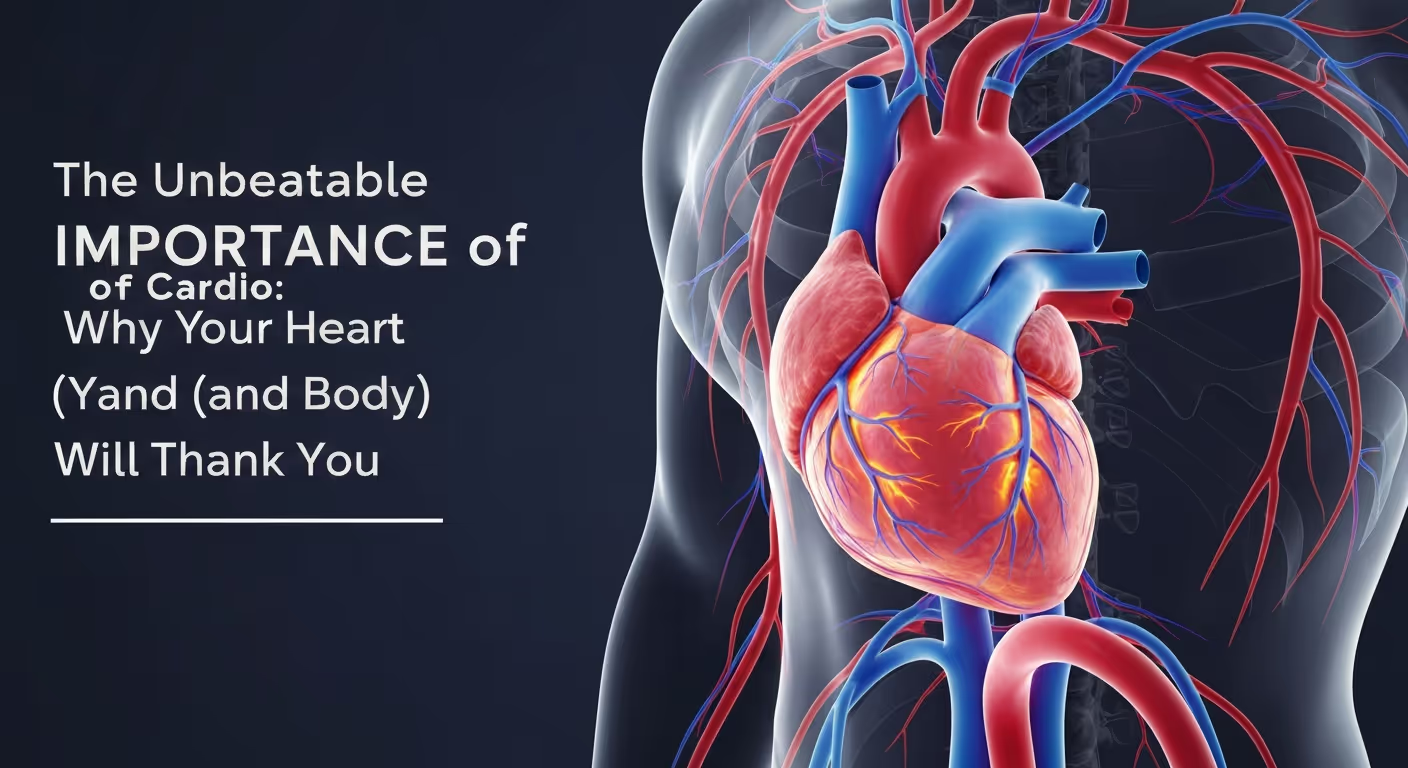
Cardiovascular Health: The ability of your heart and lungs to supply oxygen to your body during sustained physical activity.
Muscular Strength: The amount of force your muscles can exert.
Muscular Endurance: The ability of your muscles to perform repeated contractions without fatigue.
Flexibility: The range of motion around a joint.
Body Composition: The proportion of fat and non-fat mass in your body.
Achieving a good balance across these areas is what contributes to a truly fit individual, ready to navigate the demands of everyday life with ease.
The Unrivaled Physical Benefits of Being Active
The most obvious advantages of fitness are physical, and they are substantial:
Disease Prevention: Regular physical activity significantly lowers your risk of developing chronic diseases such as heart disease, type 2 diabetes, certain cancers, stroke, and high blood pressure.
Weight Management: Exercise burns calories, helps maintain a healthy metabolism, and builds muscle mass, all crucial for preventing obesity and managing a healthy weight.
Stronger Bones and Joints: Weight-bearing exercises help build bone density, reducing the risk of osteoporosis. They also strengthen the muscles and ligaments around joints, improving stability and reducing the likelihood of injuries.
Improved Energy Levels: Counter-intuitively, exercising regularly boosts your stamina and energy, making you less prone to fatigue throughout the day.
Better Sleep Quality: Consistent physical activity can help you fall asleep faster and enjoy deeper, more restful sleep.
Fueling Your Mind: The Mental Edge of Fitness
The benefits of fitness extend far beyond the physical, profoundly impacting your mental health and cognitive function:
Stress Reduction: Physical activity is a powerful stress reliever. It helps your body produce endorphins, natural mood elevators that can alleviate stress and anxiety.
Mood Enhancement: Regular exercise is often prescribed as a complementary treatment for depression and anxiety due to its mood-boosting effects. It provides an outlet for frustration and can foster a sense of accomplishment.
Enhanced Cognitive Function: Studies show that physical activity can improve memory, focus, and overall brain health. It increases blood flow to the brain and stimulates the growth of new brain cells.
Increased Self-Esteem: Achieving fitness goals, no matter how small, can significantly boost your self-confidence and body image.
Emotional Resilience and a Brighter Outlook
Beyond specific mental health benefits, fitness plays a crucial role in building emotional resilience:
Better Coping Mechanisms: When faced with life's inevitable challenges, individuals who are physically active often possess better coping mechanisms. Exercise can be a healthy outlet for strong emotions, helping you process and release them constructively.
Greater Sense of Control: Taking control of your physical health often translates into a greater sense of control over other aspects of your life, fostering a more proactive and positive outlook.
Reduced Symptoms of Depression and Anxiety: While not a cure, exercise can significantly reduce the severity of symptoms for those experiencing depression and anxiety, acting as a powerful adjunct to other treatments.
Making Fitness a Sustainable Part of Your Life
Understanding the importance of fitness is the first step; the next is integrating it into your daily routine sustainably. Here are a few tips:
Start Small: You don't need to commit to an hour at the gym every day immediately. Begin with short walks, taking the stairs, or brief home workouts.
Find What You Enjoy: Whether it's dancing, cycling, swimming, hiking, or team sports, choose activities you genuinely enjoy. This significantly increases your chances of sticking with it.
Set Realistic Goals: Aim for achievable milestones rather than overwhelming transformations. Celebrate small victories.
Consistency is Key: Regularity trumps intensity. Even short, consistent bursts of activity are more beneficial than sporadic, intense workouts.
Listen to Your Body: Rest and recovery are just as important as the activity itself. Avoid overtraining and give your body time to repair.
Conclusion: Your Journey to a Fuller, Healthier Life Starts Now
The importance of fitness cannot be overstated. It's the cornerstone of a healthy, fulfilling life, impacting not just how long you live, but how well you live. By embracing regular physical activity, you're investing in a stronger body, a clearer mind, and a more resilient spirit. It's a journey that offers profound returns, enhancing your energy, mood, cognitive abilities, and overall quality of life. So, take that first step today, discover the joy of movement, and unlock the boundless potential of a healthier, happier you.